Can you insure a van before you buy it? What UK buyers need to know
Yes, you can often arrange van insurance before you collect a vehicle, but the timing has to be right. This guide explains what UK buyers need to check before driving a newly bought van away.
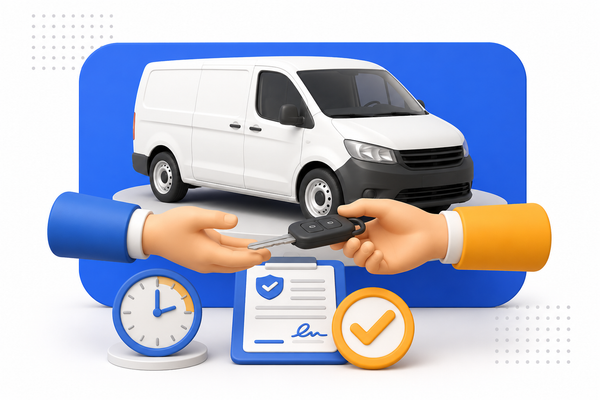
Yes, you can often arrange van insurance before you physically collect the van, and in many cases that is exactly what you should do. GOV.UK’s vehicle buying guidance says you must have insurance before you use a vehicle on the road. That means if you are planning to drive the van away on collection day, the cover needs to be in place before that journey starts.
This catches people out because “buying” and “insuring” do not always happen at the same moment. In practice, many drivers arrange insurance to start from the time they become responsible for the van or from the point of collection. The important part is not whether you have already shaken hands and driven away. The important part is that the insurance start time, the van details, and your legal right to use the van all line up properly before it goes on the road.

The short answer
You can usually arrange insurance on a van before you collect it, as long as the insurer is happy with the details you provide and the policy start date is set correctly. But insurance alone is not enough. Before you drive the van away, it will usually also need to be taxed, and if it is old enough to need an MOT, that MOT must normally be valid too. GOV.UK says you must have insurance before using the vehicle on the road, and DVLA also says a vehicle must be insured and have a valid MOT in place if it needs one before you can tax it online.
So the practical answer is:
- Yes, you can often insure before collection.
- No, that does not on its own make the van ready for the road.
- Yes, the timing of ownership, insurance, tax and MOT all matter.
Can you arrange van insurance before you become the owner?
Often, yes, but it has to be done honestly and carefully.
Insurers generally care about whether the details are accurate and whether the cover starts from the point you become responsible for the van, rather than insisting that the V5C must already be updated in your name before they will quote. GOV.UK’s buying-a-vehicle process separates the steps: insure the vehicle, then tax it, then use it on the road. That sequence strongly supports the practical reality that insurance is arranged around collection, not only after some later admin update.
The point to be careful about is this: do not pretend you already own the van if you do not. Instead, set the policy up to begin at the correct time and make sure the registration, vehicle details, and proposed use are all right from the start.
What has to be in place before you drive the van away?
Insurance
GOV.UK is clear that you must have insurance before you can use the vehicle on the road. That is the first legal piece.
Tax
You also need to tax the vehicle before you use it on the road. When you buy a used vehicle, the old keeper’s tax does not transfer with it. GOV.UK says that after DVLA is told about the change of keeper, the previous vehicle tax is cancelled and any refund goes to the seller for full remaining months.
That means the buyer needs to sort tax afresh.
MOT if the van needs one
If the van is old enough to require an MOT, it normally needs a valid one before you drive it away as ordinary road use. DVLA’s own guidance on taxing a vehicle says it must have a valid MOT in place if it needs one.
So the three main collection-day checks are simple:
- insured
- taxed
- valid MOT, if required
What details do you usually need to insure a van before buying it?
Most of the time, the same core details apply whether you already have the van on the drive or are insuring it ready for collection.
You will usually need:
- registration number
- make and model
- your driver details
- address and overnight parking
- annual mileage estimate
- how the van will be used
- claims and convictions history
- no claims bonus details if relevant
If the van is newly bought, it also helps to know:
- expected collection date
- expected cover start time
- whether you are buying privately or from a dealer
- whether the van has a current MOT if it needs one
When should cover start?
This is one of the most important parts.
If you are collecting the van yourself, the cover should normally start before you drive it away. That does not mean the day before by default. It means the policy should start from the correct point so there is no gap between taking responsibility for the van and using it on the road.
In practice, many buyers set the cover to start:
- on the collection date
- at a specific time on the collection date
- from the moment they expect handover to happen
The key is not to leave yourself in the grey area of “I thought it would be fine until I got home.”
What if you are buying from a dealer?
Buying from a dealer can feel more structured, but the basic legal position is the same.
Even if the dealer helps with handover, documents, or tax reminders, you still need to make sure:
- insurance is active before road use
- the van is taxed in your hands, not the previous keeper’s
- the MOT is valid if required
Some dealers may help buyers sort this on the day, but do not assume the dealer’s process has done it for you unless you have checked.
What if you are buying privately?
Private sales often need more planning because there is less hand-holding.
Before collection, it is worth checking:
- the registration details
- whether the MOT is current
- whether you have cover ready to start
- whether you can tax it immediately once the purchase is complete
This is the kind of purchase where timing mistakes happen most often, especially when buyers assume they can “sort it later.”
Common mistakes buyers make
A few repeat mistakes cause problems here:
- assuming the seller’s tax stays with the van
- setting insurance to start after collection instead of before it
- forgetting that the van may need a valid MOT before it can be taxed
- giving rough or wrong vehicle details in the quote
- assuming a dealer or seller has sorted legal road-use requirements
None of these are clever shortcuts. They are just easy ways to create a messy first day with the van.
A simple collection-day checklist
Before you drive the van away, check:
- the insurance is active
- the start time is correct
- the registration matches
- the van has been taxed in your hands
- the MOT is valid if the van needs one
- the usage class is right
- the named drivers are right
That is usually enough to avoid the most common collection-day errors.
FAQs
Can I insure a van before I collect it?
Yes, in many cases you can arrange cover before collection. The key is making sure the policy starts at the right time and the vehicle details are correct.
Do I need insurance before I drive a newly bought van home?
Yes. GOV.UK says you must have insurance before you use the vehicle on the road.
Does tax transfer when I buy a used van?
No. The seller’s vehicle tax does not transfer with the van, so you will usually need to tax it yourself before using it on the road.
Can I drive a newly bought van away without an MOT?
Usually no, if the van is old enough to need one. A valid MOT is normally needed before the van can be taxed and used on the road, unless a limited legal exception applies.
Do I need the V5C in my name before I can insure a van?
Not always. In many cases you can arrange cover before the logbook update is complete, as long as the insurer is happy with the information and the policy is set up correctly.
Next steps
If you are planning to buy a van soon, the safest approach is to line the admin up before you travel to collect it.
Get the vehicle details, set the insurance to start at the right time, make sure the MOT position is clear, and be ready to tax the van once the purchase is complete. That is much easier than trying to untangle things after you have already driven it away.
VanCompare Editorial Team
The VanCompare Editorial Team produces clear, practical insurance guides for UK tradesmen, couriers and small business owners. We work with FCA authorised insurance brokers and use insurer information where relevant to explain insurance topics in plain English and help drivers make informed decisions about cover.
Where relevant, our content is checked against publicly available UK guidance and information from sources such as the FCA and GOV.UK to help keep it accurate and up to date.
This content is for general information only and is not financial advice.