Third party, fire and theft van insurance: when it beats comprehensive
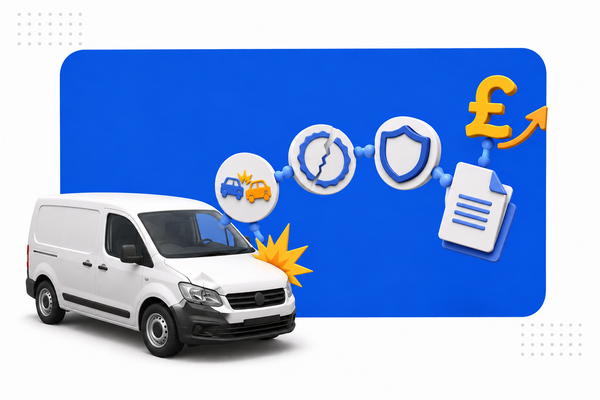
Third party, fire and theft van insurance can cover liability, theft and fire, but usually not your own accident damage. This guide explains when it may offer better value than comprehensive cover and when it probably will not.
Third party, fire and theft van insurance sits between basic third-party cover and comprehensive insurance.
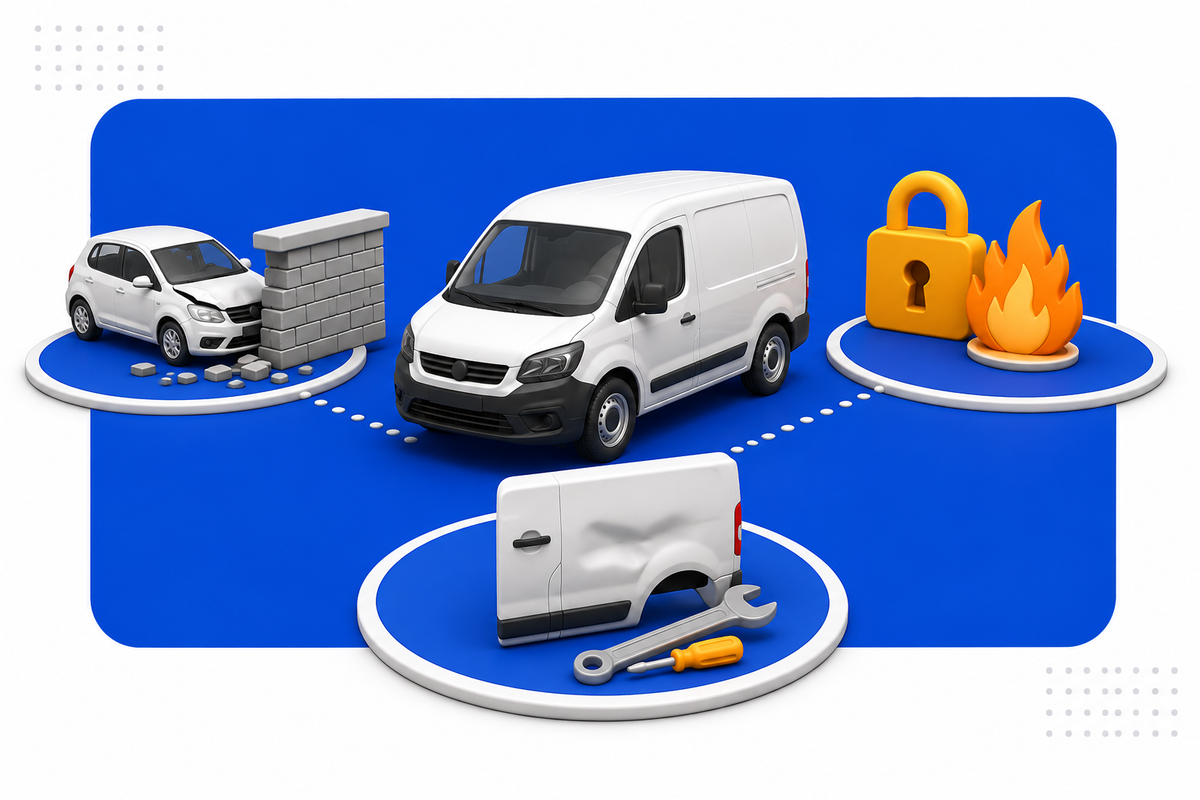
It covers your legal liability if you injure someone or damage their property while driving. It can also cover your van if it is stolen or damaged by fire. What it normally does not cover is accidental damage to your own van when you are responsible for the incident.
That makes it a genuine middle option, but not automatically the cheaper or better one. Comprehensive cover can sometimes cost the same or less, despite providing more protection.
So when does third party, fire and theft actually beat comprehensive? Usually only when it is materially cheaper, your van is not worth enough to justify accidental-damage cover, and you could afford to repair or replace it yourself.

What is third party, fire and theft van insurance?
Third party, fire and theft insurance normally includes three main parts:
- cover for injury you cause to other people
- cover for damage you cause to another person's vehicle or property
- cover if your own van is stolen or damaged by fire
It does not normally pay for accidental damage to your own van if you cause the collision.
For example, if you reverse your van into a wall, the policy may deal with damage caused to someone else's wall, but it would not normally pay to repair your van. If the van were stolen or destroyed by fire, that may be covered subject to the policy terms.
How does it compare with comprehensive van insurance?
The main difference is protection for your own van after accidental damage.
| Event | Third party, fire and theft | Comprehensive |
|---|---|---|
| You injure another person | Usually covered | Usually covered |
| You damage another vehicle or property | Usually covered | Usually covered |
| Your van is stolen | Usually covered | Usually covered |
| Your van is damaged by fire | Usually covered | Usually covered |
| You damage your own van in an at-fault accident | Usually not covered | Usually covered |
| Your van is vandalised | Often not covered | May be covered |
| Your van suffers storm or flood damage | Often not covered | May be covered |
| Tools, stock or customer goods | Not automatically covered | Not automatically covered |
Policy wording differs, so this table is only a broad guide. Features such as windscreen cover, replacement vehicle support, tools cover and legal expenses may be included, excluded or sold separately at either level. To read more about these optional extras, see our guide to common van insurance add-ons and which ones are worth considering.
Is third party, fire and theft always cheaper?
No.
The amount of cover is only one part of the price calculation. Insurers also use claims experience and other risk information when setting premiums. Some may associate customers choosing reduced cover with a different risk profile, which can mean third party, fire and theft costs as much as comprehensive cover or even more.
This creates one of the strangest parts of motor insurance: removing accidental-damage protection does not guarantee a lower price.
Availability can also differ between insurers. Some only offer comprehensive cover, while others may restrict certain cover levels depending on factors such as the van's value, age or use. If you only ask for third party, fire and theft, or assume comprehensive will be too expensive, you may miss an insurer or policy that would have produced the better overall quote.
Always compare every available cover level using the same driver, vehicle, mileage and usage details. Comparing different levels using different information tells you very little.
When can third party, fire and theft beat comprehensive?
It can be the better option, but several things normally need to line up.
When it is genuinely much cheaper
The first test is simple: does it save a meaningful amount?
If the difference is small, comprehensive cover will usually offer far more protection for very little extra cost. Choosing reduced cover to save a token amount rarely makes sense when one at-fault accident could leave you paying the full repair or replacement cost yourself.
Third party, fire and theft becomes more credible when the saving is substantial enough to compensate for the protection being removed.
When the van has a low market value
A lower-value van may not justify paying much more for accidental-damage protection.
Even with comprehensive insurance, any settlement for a total loss would normally be based on the van's market value, subject to the policy terms and excess. If the van's value is modest, a large excess and increased premium may reduce the practical value of claiming for damage to it.
In that situation, a driver may prefer to insure against theft, fire and third-party liability while accepting the cost of their own accident damage.
The decision should still be based on the van's realistic current value, not what you paid several years ago or how important it feels personally.
When you could afford to replace the van yourself
Third party, fire and theft involves a form of self-insurance.
You are accepting that if you cause an accident and your van is badly damaged, you may receive nothing towards your own vehicle. The cover only makes sense if you could fund repairs, replace the van, or continue operating without it.
A van may have a low book value but still be essential to your income. If losing it would stop you working and you do not have the money for another one, comprehensive cover may remain the safer choice.
When comprehensive cover is unusually expensive or unavailable
Some driver and vehicle combinations may produce a workable third party, fire and theft quote but a much less attractive comprehensive option.
This can happen where the driver has a more complex record, the van falls outside an insurer's preferred profile, or the intended use restricts the available market.
Even then, it is worth checking more than one insurer or broker. A poor comprehensive quote from one provider does not show that comprehensive cover is poor value across the whole market. Our guide on where to get van insurance quotes in the UK compares comparison sites, brokers and direct insurers, and explains where each route may be useful.
When your main concern is theft or fire rather than collision damage
Some owners are comfortable carrying the risk of accidental damage but do not want to carry the full risk of the van being stolen or destroyed by fire.
Third party, fire and theft may fit that position. It keeps the legally required liability protection and adds cover for two major losses, without adding own-accident cover.
This is still only sensible if the policy's theft conditions work for how and where the van is kept. Security requirements, keys, immobilisers and overnight parking conditions can all affect a theft claim.

When is comprehensive usually the better option?
For many working van drivers, comprehensive will still make more sense.
When the price difference is small
If comprehensive costs only slightly more, it usually provides better value because it adds protection for accidental damage to your van.
Compare the total price, excesses and included features. Do not assume the policy with fewer protections is the budget option.
When the van is valuable
The more expensive the van would be to repair or replace, the greater the financial risk of leaving accidental damage uninsured.
A serious at-fault collision could leave you with no usable van and no payment for your own vehicle under third party, fire and theft cover.
When the van is essential to your income
A van can be worth more to the business than its market price alone suggests. It may carry fittings, support regular contracts, or be needed every working day.
Comprehensive cover does not remove all disruption, and replacement van terms still need checking, but covering accidental damage to the vehicle can reduce one major financial risk. To understand the limits that can apply when your van is off the road after a claim, read our article on courtesy vans and hire vehicles.
When the van is leased or financed
A lease or finance agreement may require comprehensive insurance. The finance company has a financial interest in the vehicle and may set minimum insurance conditions in the contract.
Check the agreement before selecting third party, fire and theft. Choosing a lower level of cover could put you in breach of the finance terms even if the policy itself meets the legal minimum for road use.
When you could not afford an uninsured accident
Ask one blunt question:
If I caused an accident tomorrow and the van were written off, could I replace it without an insurance payment?
If the answer is no, comprehensive cover deserves serious consideration.
Does third party, fire and theft cover tools or goods?
Not automatically.
The fire and theft part generally relates to the insured van. It does not mean every item stored inside it is protected.
Tools may need separate tools cover. Parcels, customer property or goods carried for work may need goods in transit insurance. Limits, overnight restrictions, security rules and exclusions may apply.
For more detail on protecting trade equipment, see our guide to what tools cover on van insurance actually includes and the common gaps to watch for. If you carry parcels, customer property or other goods for payment, our guide on the difference between hire and reward and goods in transit explains how those covers fit together.
Does the level of cover change the permitted use?
Not by itself.
Third party, fire and theft describes the level of motor protection. It does not decide whether the van can be used for commuting, carrying your own goods, courier work or other business activities.
The class of use must still match the work being done. A third party, fire and theft policy with the wrong class of use may be unsuitable even though the cover level itself is valid. Our guide to van insurance classes of use explains the differences between social use, commuting, carrying your own goods and hire and reward.
What should you compare before choosing?
Look beyond the three words attached to the cover level.
Check:
- the full annual premium
- compulsory and voluntary excesses
- the van's current market value
- theft and security conditions
- replacement vehicle terms
- windscreen protection
- tools or goods cover
- business-use wording
- exclusions and claim limits
- any lease or finance requirements
A cheaper policy can be poor value if it removes protection you could not afford to lose. A comprehensive policy can also contain weak limits or unsuitable terms, so the label alone is not enough.
To understand how compulsory and voluntary excesses affect both the quote and what you would pay after a claim, see our guide to van insurance excess.
A simple decision test
Third party, fire and theft may beat comprehensive where all of the following are true:
- It is materially cheaper after comparing like for like.
- The van has a relatively low market value.
- You could afford your own repairs or a replacement after an at-fault accident.
- No finance or lease agreement requires comprehensive cover.
- The theft, fire and business-use terms match your actual needs.
If any of those points fail, comprehensive may offer better value even at a higher premium.
Bottom line
Third party, fire and theft van insurance is not simply "cheap comprehensive cover".
It gives you third-party liability protection and can cover the insured van against fire and theft, but it normally leaves you responsible for your own accidental damage.
It can beat comprehensive when the price saving is real, the van's value is low, and you can afford to carry that extra risk yourself. But because reduced cover is not always cheaper, the only sensible comparison is to quote both levels and compare the price, excesses and wording side by side.
For many working van drivers, comprehensive remains the stronger choice. For a smaller group with lower-value vans and enough financial room to absorb their own damage, third party, fire and theft can still be a rational option.
FAQs
Is third party, fire and theft van insurance always cheaper than comprehensive?
No. It can cost the same as comprehensive cover or even more. Insurers price the full risk profile, not only the amount of cover, so drivers should quote both levels using identical details.
Does third party, fire and theft cover damage to my own van?
It usually covers your van if it is stolen or damaged by fire. It does not normally cover accidental damage to your own van when you cause the accident.
Is third party, fire and theft suitable for an older van?
It may be suitable where the van has a low market value, the saving is meaningful, and you could afford to repair or replace it yourself. Comprehensive may still be better if the price difference is small.
Can I get third party, fire and theft cover for a business van?
Yes, subject to insurer availability. The policy must still include the correct class of use for the work, such as carrying your own goods or hire and reward where applicable.
Does third party, fire and theft cover tools in the van?
Not automatically. Tools usually need separate protection, and security conditions, limits and overnight exclusions may apply.
Can I use third party, fire and theft on a financed or leased van?
Your finance or lease agreement may require comprehensive insurance. Check the contract before choosing a lower level of cover.
VanCompare Editorial Team
The VanCompare Editorial Team produces clear, practical insurance guides for UK tradesmen, couriers and small business owners. We work with FCA authorised insurance brokers and use insurer information where relevant to explain insurance topics in plain English and help drivers make informed decisions about cover.
Where relevant, our content is checked against publicly available UK guidance and information from sources such as the FCA and GOV.UK to help keep it accurate and up to date.
This content is for general information only and is not financial advice.