Why Is Van Insurance So Expensive in the UK and How Can You Lower the Cost of Your Van Insurance?
Van insurance in the UK is often more expensive than car cover because vans do more miles, face higher theft risk, and are often used for work. This article explains what drives the price up and the practical steps that can help bring it down.
If you are a UK van driver wondering why your cover costs so much more than car insurance, you are not alone. Premiums have risen, repair bills are higher, theft remains a real risk, and insurers look closely at how vans are used for work.
The good news is that high prices are not random. Van insurers usually look at the same set of factors: the van itself, how it is used, where it is kept, who drives it, and how likely it is to be stolen, damaged, or involved in a claim. Once you understand those factors, it becomes easier to spot what you can change and what you simply need to price around.
This article explains why van insurance is often expensive in the UK and the practical steps that can help lower the cost.

Quick takeaways
- Van insurance is often more expensive than car insurance because vans usually do more miles, carry tools or goods, and face higher theft and claims risk.
- The make, model, engine size, and insurance group of the van all affect the premium.
- Business use, courier work, and carrying expensive contents usually push costs up.
- Young or inexperienced drivers often pay more, but clean driving and no claims history can help over time.
- Your postcode, overnight parking, and security set-up matter more than many drivers expect.
- Comparing quotes before renewal is still one of the easiest ways to look for a better deal.
What makes van insurance more expensive than car insurance?
The short answer is risk.
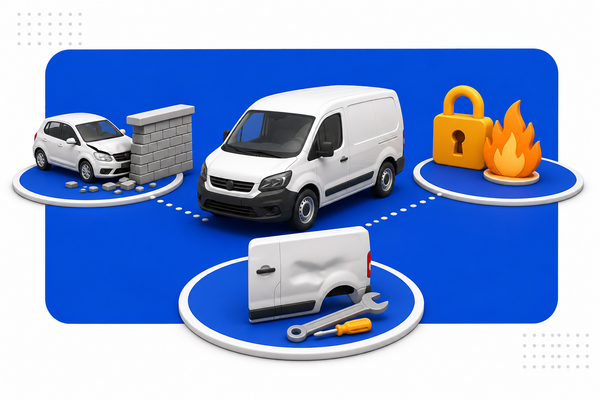
Insurers usually see vans as harder-working vehicles than private cars. Many cover more annual mileage, spend more time on the road during working hours, and are more likely to be parked on streets, sites, or public areas overnight. Vans are also more likely to carry tools, stock, or equipment that make theft claims more expensive.
Repair costs matter too. Vans are often larger, more expensive to fix, and more expensive to replace than smaller private cars. If a van is off the road after an accident, there can also be wider claims costs linked to business disruption or replacement transport.
That does not mean every van policy will be expensive. It does mean insurers usually start from a higher-risk view than they do with standard private car insurance.
Does the type of van you drive affect the cost?
Yes. The type of van has a major effect on price.
Insurers look at things such as:
- engine size
- repair costs
- size and weight
- parts prices
- theft risk
- insurance group
A smaller, simpler van is often cheaper to insure than a large, powerful one. That is why a compact van used for local trade work may be rated more kindly than a large panel van with a bigger engine and higher replacement cost.
This is one reason to think carefully before buying. If your work does not truly need a bigger van, choosing a smaller one can help with both insurance and running costs. You can read more about the cheapest vans to insure here.
How does your job or van usage affect the price?
A lot.
How you use the van is one of the biggest price drivers on any policy. Insurers want to know whether the van is used for:
- social and domestic driving
- commuting
- carrying your own tools or materials
- carrying other people’s goods for payment
- business travel between jobs or sites
The more commercial and high-frequency the use, the more likely the premium rises.
For example, a van used for local trade work will often be seen differently from one doing constant delivery rounds. A van carrying valuable tools may also cost more to insure than one with little or nothing left inside overnight.
That is why it is so important to describe use accurately. Getting the class of use wrong may not only affect price. It can also cause serious trouble if you ever need to claim. If you are unsure about which class of use you may need, take a look at our classes of use article here.
Are commercial vans always more expensive to insure?
Often, yes, but not always by the same amount.
Commercial use usually means:
- more time on the road
- more stop-start driving
- more exposure to theft or accidental damage
- more pressure to keep the vehicle moving
All of that raises the insurer’s view of risk.
Still, there are ways commercial drivers can help control the price. Keeping mileage realistic, parking securely, and fitting proper security can all help. So can choosing the right van for the work rather than a larger or more powerful model than you actually need.
Just be careful not to understate how the van is used. A cheaper quote based on the wrong use is false economy.
How do age and driving experience affect van insurance premiums?
Younger and less experienced drivers usually pay more. Insurers see them as more likely to claim, especially in the first few years of driving or commercial use.
This does not only apply to teenagers. Someone new to van driving, new to self-employment, or new to a work vehicle may still be seen as a higher risk than a driver with a long, clean van history.
Over time, a few things can help:
- building a no claims record
- keeping a clean licence
- avoiding avoidable claims
- driving a van that sits in a lower insurance group
None of these are magic fixes, but together they can improve the picture. If you want to understand how a cleaner history helps over time, read our guide to no claims bonus for van insurance. If your record is already more complicated because of claims, convictions or cancelled cover, our guide to high risk van insurance explains what insurers usually look at.
Why does your postcode matter so much?
Your postcode can move the price more than many van owners expect.
Insurers use location data to judge the risk of:
- theft
- vandalism
- accidental damage
- claims frequency in the area
If your van is kept in an area with higher theft or claims rates, your insurance may cost more even if your own record is clean.
That is one reason two similar drivers with similar vans can get very different prices.
You cannot always change postcode, but you can sometimes improve the story around where the van is kept, especially if you can move it from roadside parking to a driveway, locked yard, or garage.
Does overnight parking and security make a real difference?
Yes, often.
Where the van is kept overnight is one of the clearest theft indicators on a quote. A van parked on a road all week is usually seen as more exposed than one kept on a driveway, in a garage, or in a secure yard.
Security can help too, especially when it is real, declared properly, and used consistently. Depending on the insurer, useful security measures can include:
- factory-fitted immobilisers
- approved alarms
- trackers
- steering locks
- better site or yard security
This matters even more if tools are left in the van. If you carry tools or equipment, check the wording around forced entry, overnight storage, and security conditions.
How do vehicle changes and modifications affect cost?
Changes to the van can raise the premium, sometimes by a lot.
Insurers may take a tougher view if the van has changes that:
- increase performance
- increase value
- make theft more likely
- make repairs more expensive
Even practical changes can matter if they change value or risk. The safest rule is simple: if in doubt, declare it.
Failing to declare changes can cause more trouble than the extra premium would have done.
How can you choose a van in a lower insurance group?
A lower insurance group often points to a van that is:
- less powerful
- cheaper to repair
- cheaper to replace
- less likely to attract expensive claims
That is why compact vans and lower-powered workhorses often come out better than larger or more premium models.
When choosing a van, ask yourself:
- Do I really need this size?
- Do I really need this engine?
- Am I paying for capability I will not use?
Buying more van than the job needs can mean higher fuel, higher upkeep, and higher insurance.
What can you actually do to lower the cost of your van insurance?
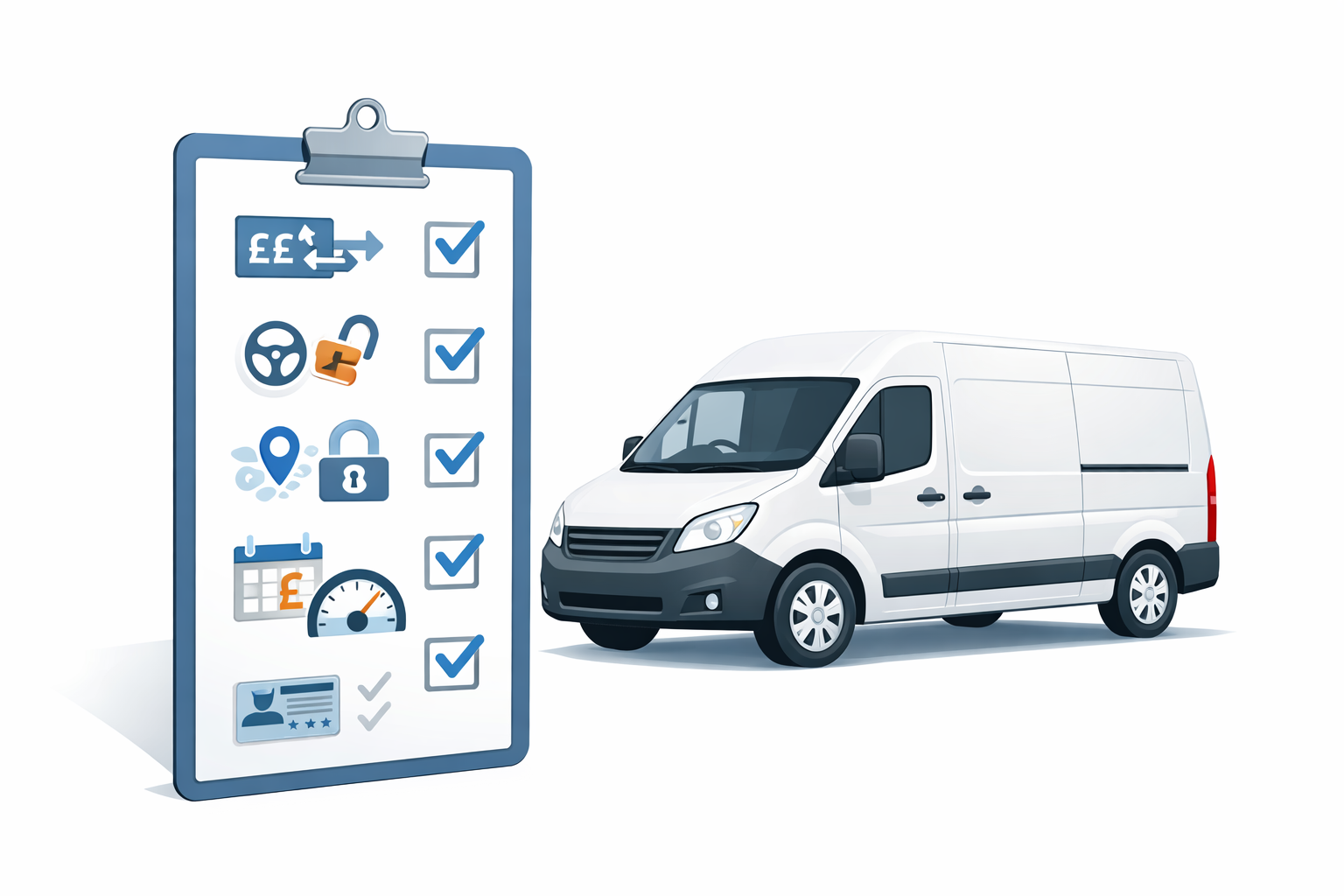
You cannot control every factor, but you can control more than many people think.
Compare quotes before renewal
This is still one of the simplest ways to check whether the market has moved. Loyalty does not always mean a better price.
Increase your voluntary excess carefully
A higher voluntary excess may lower the premium, but only if the total excess is still something you could actually afford after a claim.
Pay annually if you can
Monthly payments can be useful, but they often cost more overall. Paying in one go may lower the full annual cost.
Keep mileage realistic
Do not understate mileage to chase a lower quote. That can cause trouble later. But do make sure the figure is honest and not guessed too high either.
Improve security
Trackers, alarms, secure parking and good tool storage can all help, especially when theft risk is a big part of the price.
Build a cleaner record over time
No claims history and a clean licence still matter. They may not cancel out every other risk, but they do help.
What should you compare apart from price?
Do not stop at the headline premium.
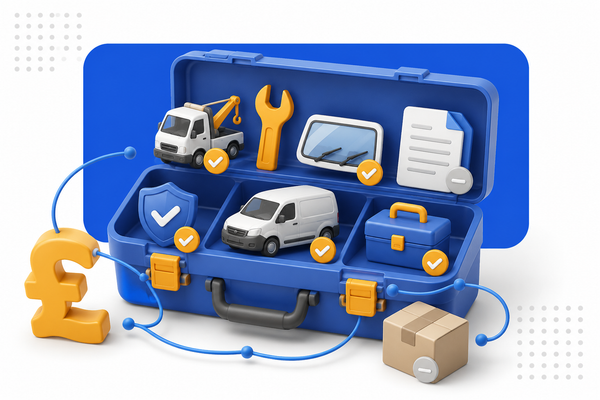
Look at:
- total excess
- class of use
- tools cover
- breakdown options
- courtesy or replacement vehicle terms
- monthly total if paying by instalments
- cancellation and change fees
A slightly higher premium can still be the better value policy if it gives you more useful cover and fewer nasty surprises later.
Comparing van insurance quotes: the smart way to save
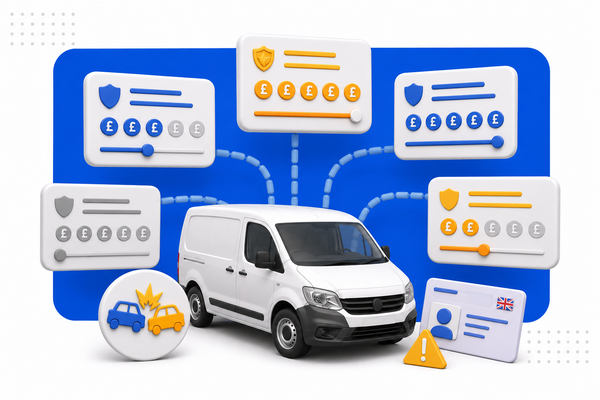
The best way to look for cheaper van insurance is still to compare quotes carefully.
That means checking more than one provider, looking past the top-line figure, and making sure the quote reflects how the van is actually used.
If you are a tradesman, small business owner, or anyone who relies on a van to earn, the goal is not just to get a low number. It is to get cover that fits the work at a price that still makes sense.
FAQs
Why is van insurance so expensive in the UK?
Van insurance is often more expensive than car insurance because vans usually cover more miles, carry tools or goods, and are parked in higher risk locations. They also tend to be larger and costlier to repair.
How can I lower the cost of my van insurance in the UK?
You can usually lower the cost by comparing quotes before renewal, choosing a van in a lower insurance group, improving security, keeping mileage realistic, and building a clean no claims and driving record.
Why is my van insurance higher than my car insurance?
Vans are often rated for business use, higher annual mileage, and carrying tools or goods. A larger, heavier van with work use will usually attract a higher premium than a small private car.
Does the type of van I drive really affect the premium?
Yes. The van’s insurance group, engine size, repair costs, parts prices, and theft risk can all affect the premium. Smaller and simpler vans often cost less to insure than larger or more powerful models.
Does overnight parking affect van insurance costs?
Yes. A van kept on a road overnight is often seen as a higher theft risk than one parked on a driveway, in a garage, or in a secure yard, which can affect the price.
Next steps
If you want to bring the cost of your van insurance down:
- check whether the van is the right size and insurance group for the job
- make sure the use, mileage, and drivers are declared accurately
- tighten overnight security where you can
- compare quotes before renewal rather than rolling over by default
- review the policy details, not just the premium
If you are ready to compare, start here.
VanCompare Editorial Team
The VanCompare Editorial Team produces clear, practical insurance guides for UK tradesmen, couriers and small business owners. We work with FCA authorised insurance brokers and use insurer information where relevant to explain insurance topics in plain English and help drivers make informed decisions about cover.
Where relevant, our content is checked against publicly available UK guidance and information from sources such as the FCA and GOV.UK to help keep it accurate and up to date.
This content is for general information only and is not financial advice.