SORN Guide: How to Make a SORN, Stop Tax and Register Your Vehicle as Off the Road
Need to take your van off the road? This guide explains how to make a SORN, when it starts, what happens to tax and insurance, and how to stay on the right side of DVLA rules.
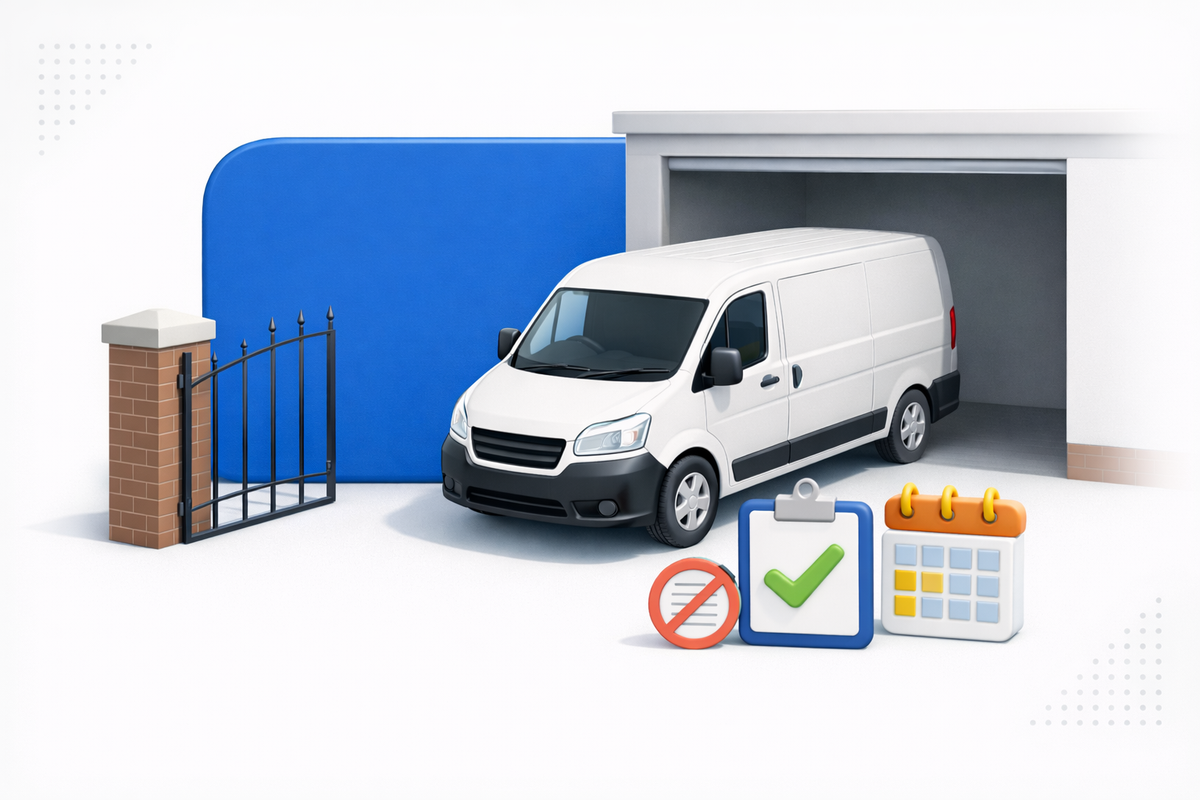
If you are taking your van off the road, you may need to make a SORN. That stands for Statutory Off Road Notification and it is the official way to tell DVLA that the vehicle will not be used or kept on a public road. GOV.UK says you need to make a SORN when you take a vehicle off the road and want to stop taxing and insuring it.
Many drivers search “SORN my van” when they stop using a vehicle, put it into storage, or pause a project. This guide explains what SORN means, when you need it, how to apply, what happens to your vehicle tax, and what you need to do before putting the van back on the road. All the core rules here come from current GOV.UK guidance.
What does SORN mean?
SORN means Statutory Off Road Notification. It tells DVLA that your vehicle is off the road and will not be used or parked on a public road. GOV.UK says a vehicle is off the road if you do not keep or use it on a public road, for example if it is in a garage, on a drive, or on private land.
That “private land” part matters. A vehicle with a SORN cannot simply sit on the street unused. If it has SORN status, it must stay off public roads.

When do you need to make a SORN?
GOV.UK says you must make a SORN when your vehicle is off the road and one of the following applies:
- it is not taxed
- it is not insured, even for a short time
- you want to break it down for parts before scrapping it
- you buy a vehicle and want to keep it off the road, though the vehicle must already be in your name before you can use the normal online service
Typical real-life examples include:
- storing a van on a driveway while you are not using it
- taking it off the road for repairs or restoration
- pausing use for a longer period
- keeping it untaxed on private land
You do not need to make a SORN for a vehicle you have already sold. GOV.UK says in that case you should tell DVLA you have sold the vehicle instead.

How to apply for a SORN online
The fastest route is online through GOV.UK. If the vehicle is registered in your name, GOV.UK says you can apply online using either:
- the 11-digit number from your V5C log book
- the 16-digit reference number from your vehicle tax reminder, which can be a V11 letter, email or text message
GOV.UK also says you can make a SORN by phone if you are the registered keeper.
If you are not yet registered as the keeper, you need to do it by post using form V890. If you do not have the V5C, GOV.UK says you must send form V62 with the V890 and pay the V62 fee.
When does a SORN start?
This catches people out.
GOV.UK says your SORN will start immediately if:
- your vehicle tax has expired, or
- you are not applying in the month your tax is due to expire
It will start on the first day of the next month if you apply in the same month your vehicle tax is due to expire.
So the start date depends on when you apply and where you are in the tax cycle.
What happens to vehicle tax when you declare SORN?
Once you declare SORN, you no longer need to keep paying vehicle tax for the period the vehicle is properly off road. GOV.UK also says you will get a refund for any full months of remaining vehicle tax.
That “full months” rule is important. You do not get refunded for part of a month. GOV.UK says the refund is calculated from the date DVLA gets your information and only covers full remaining months.
If you later tax the van again, the SORN ends automatically when you tax the vehicle.
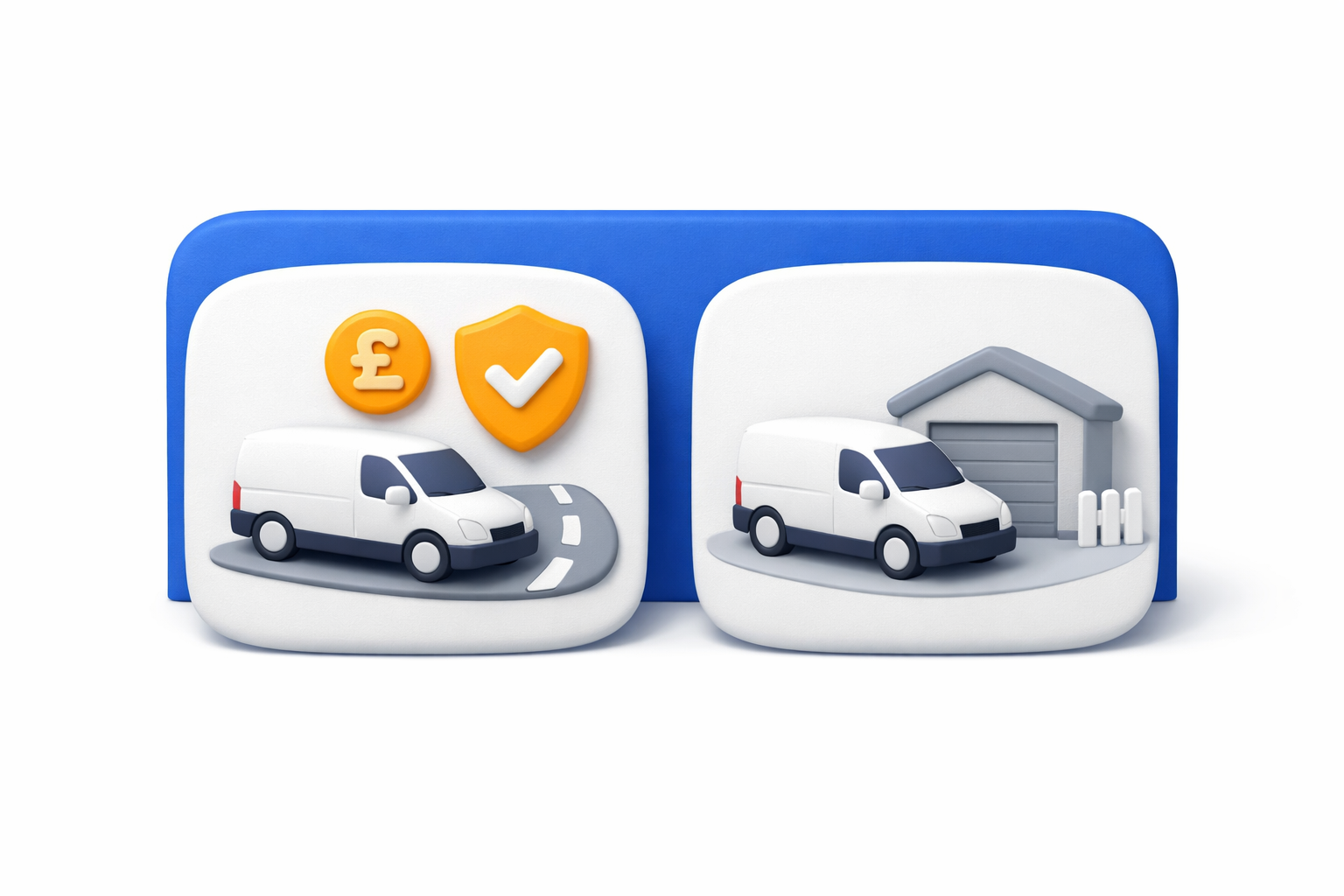
Do you need insurance when a vehicle has SORN?
Not if it is properly off the road.
GOV.UK says you do not need to insure a vehicle if it is kept off the road and declared as off the road with a SORN. It describes this as part of the continuous insurance enforcement rule.
That said, some owners still keep laid-up or limited cover for theft, fire or accidental damage while the van is stored. That is a choice, not the road-use legal minimum.
The simple rule is:
- on a public road = tax and insurance needed
- off the road with SORN = tax and insurance are not legally required for road-use purposes
How long does a SORN last?
A SORN does not need annual renewal. DVLA’s own myth-busting guidance says you only need to tell DVLA once, and the SORN lasts until the vehicle is:
- taxed again
- sold
- permanently exported
- scrapped
So once it is done properly, it stays in place until something changes.
Can you drive a SORN vehicle at all?
Normally, no. A SORN vehicle must not be used or kept on a public road. The main exception is a trip to a pre-booked MOT appointment. DVLA’s published guidance specifically says you can drive a SORN vehicle to a pre-arranged MOT.
Other than that, if you want to use the van on the road again, you need to tax it first, and that means sorting the other legal requirements too, including insurance and MOT where applicable.
What happens if you do not declare SORN?
If the vehicle is untaxed and off-road but you have not properly declared SORN, you can run into DVLA enforcement. GOV.UK’s guidance is clear that if a vehicle is off the road and untaxed or uninsured, you need to make a SORN.
Separately, DVLA reminds drivers that untaxed vehicles can lead to clamping, impounding, financial penalties or court action.
So if you are taking the van off the road, do not just stop paying tax and assume that is enough. You need to tell DVLA properly.
Key things to remember about SORN
- SORN stands for Statutory Off Road Notification.
- It applies when a vehicle is kept off public roads and you want to stop taxing and insuring it.
- You can apply online if the vehicle is in your name, using your V5C or tax reminder reference.
- If you are not yet the registered keeper, you must apply by post using V890.
- You may get a refund for any full months of vehicle tax left.
- A SORN lasts until the vehicle is taxed, sold, exported or scrapped.
- You can drive a SORN vehicle only to a pre-booked MOT.
FAQs
What does SORN mean?
SORN stands for Statutory Off Road Notification. It is the official way to tell DVLA that a vehicle is off the road and will not be used or kept on a public road.
Do I need to insure a van with SORN?
Not for road-use legal purposes. If the van is kept off the road and properly declared SORN, GOV.UK says you do not need to insure it under continuous insurance enforcement rules.
Will I get a refund on my vehicle tax if I make a SORN?
Usually yes, for any full months of tax left. Refunds do not cover part months.
Can I drive a SORN vehicle to an MOT?
Yes, if the MOT is pre-booked. Outside that, a SORN vehicle must not be used or kept on a public road.
How long does a SORN last?
It lasts until the vehicle is taxed again, sold, permanently exported or scrapped. You do not need to renew it every year.
Final thoughts
If your van is going off the road, making a SORN is usually straightforward. The main thing is to do it properly and not leave the vehicle in a half-taxed, half-forgotten state that causes trouble later.
If you are storing it, repairing it, or simply not using it for a while, a SORN helps you stay compliant and stop unnecessary tax. Then, when you want the van back on the road, tax it again and make sure the other legal pieces are back in place before you drive.
VanCompare Editorial Team
The VanCompare Editorial Team produces clear, practical insurance guides for UK tradesmen, couriers and small business owners. We work with FCA authorised insurance brokers and use insurer information where relevant to explain insurance topics in plain English and help drivers make informed decisions about cover.
Where relevant, our content is checked against publicly available UK guidance and information from sources such as the FCA and GOV.UK to help keep it accurate and up to date.
This content is for general information only and is not financial advice.