What Licence Do I Need to Drive a Van in the UK?
Most UK drivers can use a standard car licence to drive a van, but weight limits, towing rules and the 4.25 tonne electric van rule make it easy to slip out of compliance. This guide explains which licence codes cover which vans and how that links to your insurance.
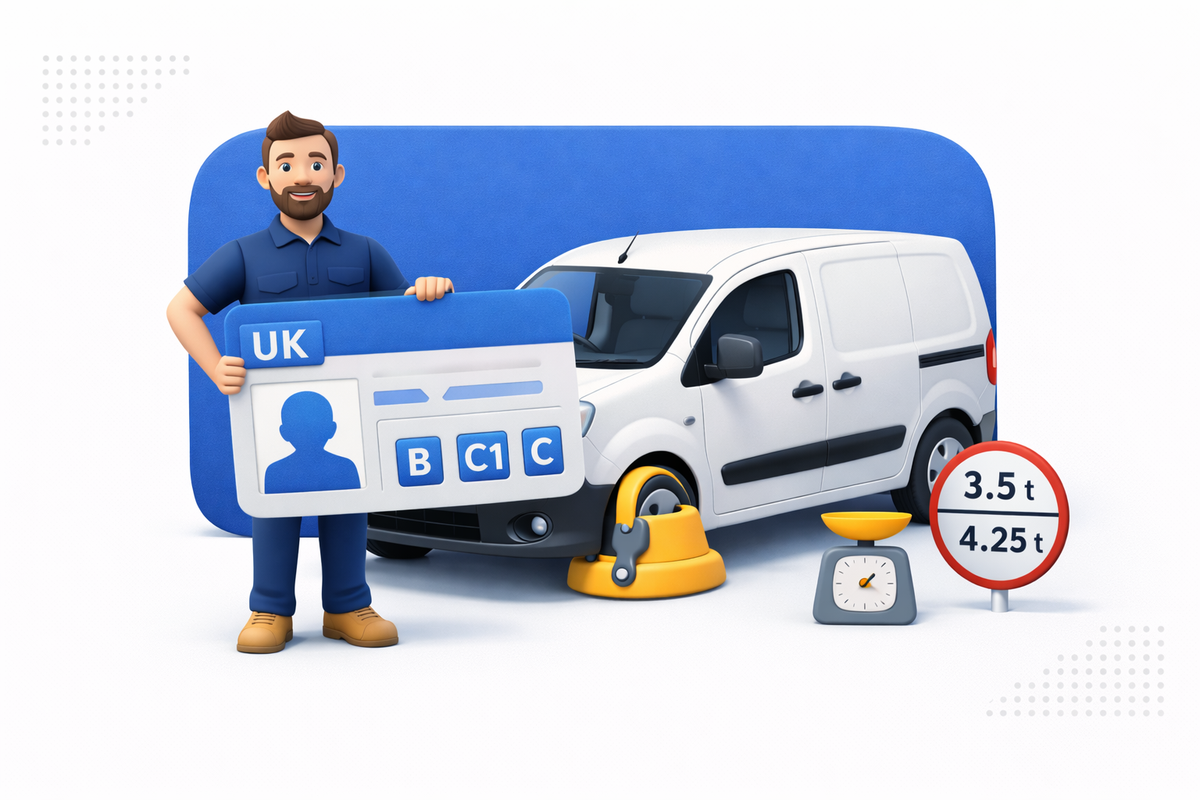
Many UK drivers are unsure what driving licence they actually need to drive a van. This practical guide explains exactly which licence categories apply, whether you hold a car licence, a provisional licence, or a professional goods vehicle operator licence. You’ll learn what type of licence you need to drive vans of different sizes, including 3.5-tonne and electric vans, and how to stay compliant with UK driving laws.
Most UK drivers can drive a van on their standard Category B car licence, as long as the van’s maximum authorised mass (MAM) does not exceed 3.5 tonnes.
That covers the majority of small and medium vans you see on the road, including:
- Ford Transit Custom
- Vauxhall Vivaro
- Mercedes Vito
- Volkswagen Transporter

Key Points at a Glance
If you’re not sure what’s on your driving licence, check it online at gov.uk/view-driving-licence.
Licence Categories Explained
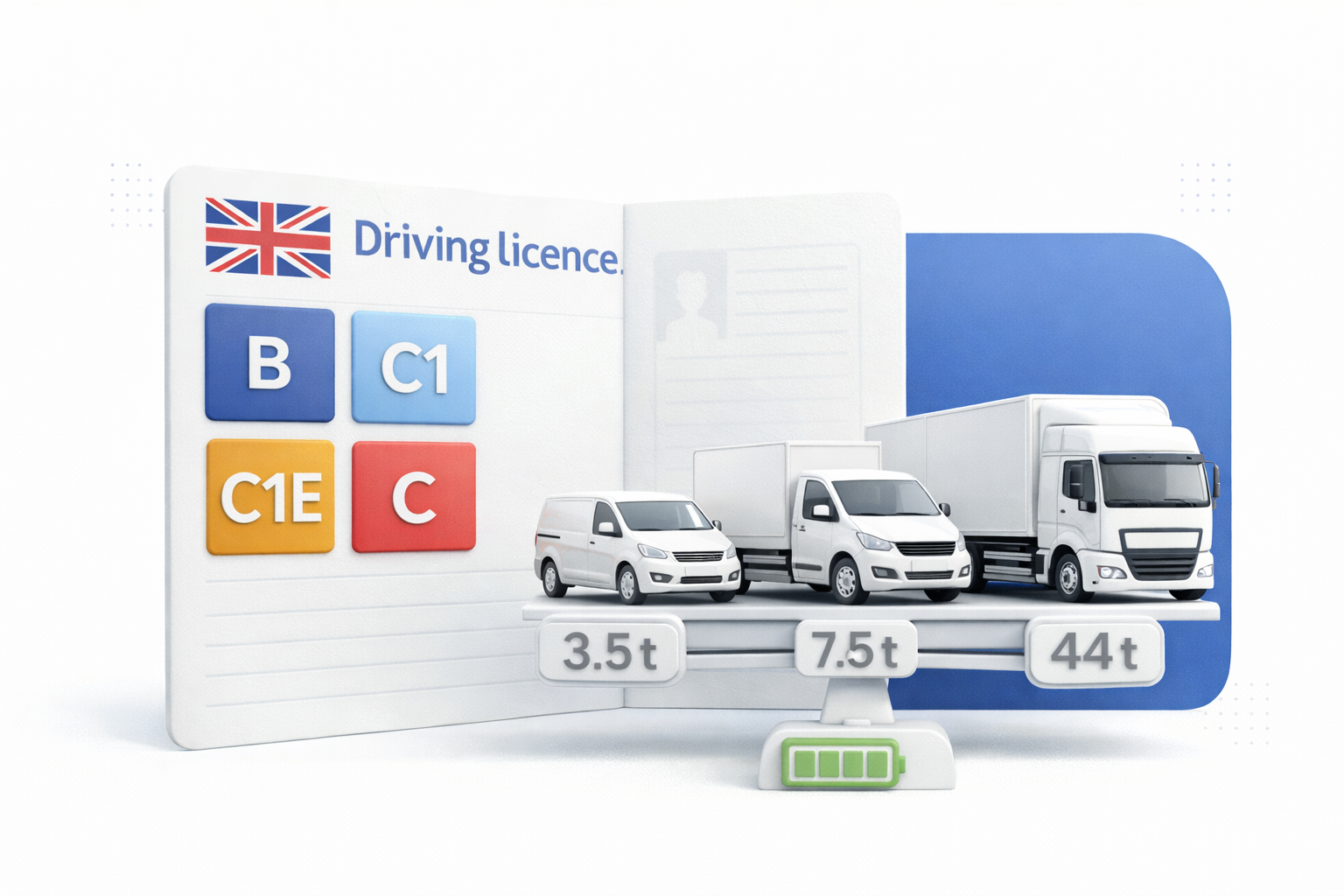
These licence categories show exactly which vehicles you’re legally permitted to drive and ensure your van driving licence matches the weight of the van and its cargo.
Visual Weight Comparison
Category B - up to 3.5 t
Zero-Emission B - up to 4.25 t (electric/hydrogen)
C1 - up to 7.5 t
C - 7.5 t +
Age, Tests and Upgrade Options
Upgrade Steps:
- Pass the appropriate driving test (theory and practical).
- Obtain a medical clearance for heavier categories.
- Apply through the DVLA online service for the new licence to drive vans or goods vehicles.
If You Passed Before 1997
Drivers who passed their driving test before 1 January 1997 automatically have C1 entitlement, allowing them to drive vans up to 7.5 tonnes without taking another test.
To confirm:
- Check the back of your driving licence for “C1”.
- Use the GOV.UK licence checker if you still have a paper licence.
This benefit lets long-term drivers operate larger vans and goods vehicles legally.
2025 Rule Update – Zero-Emission and Electric Vans
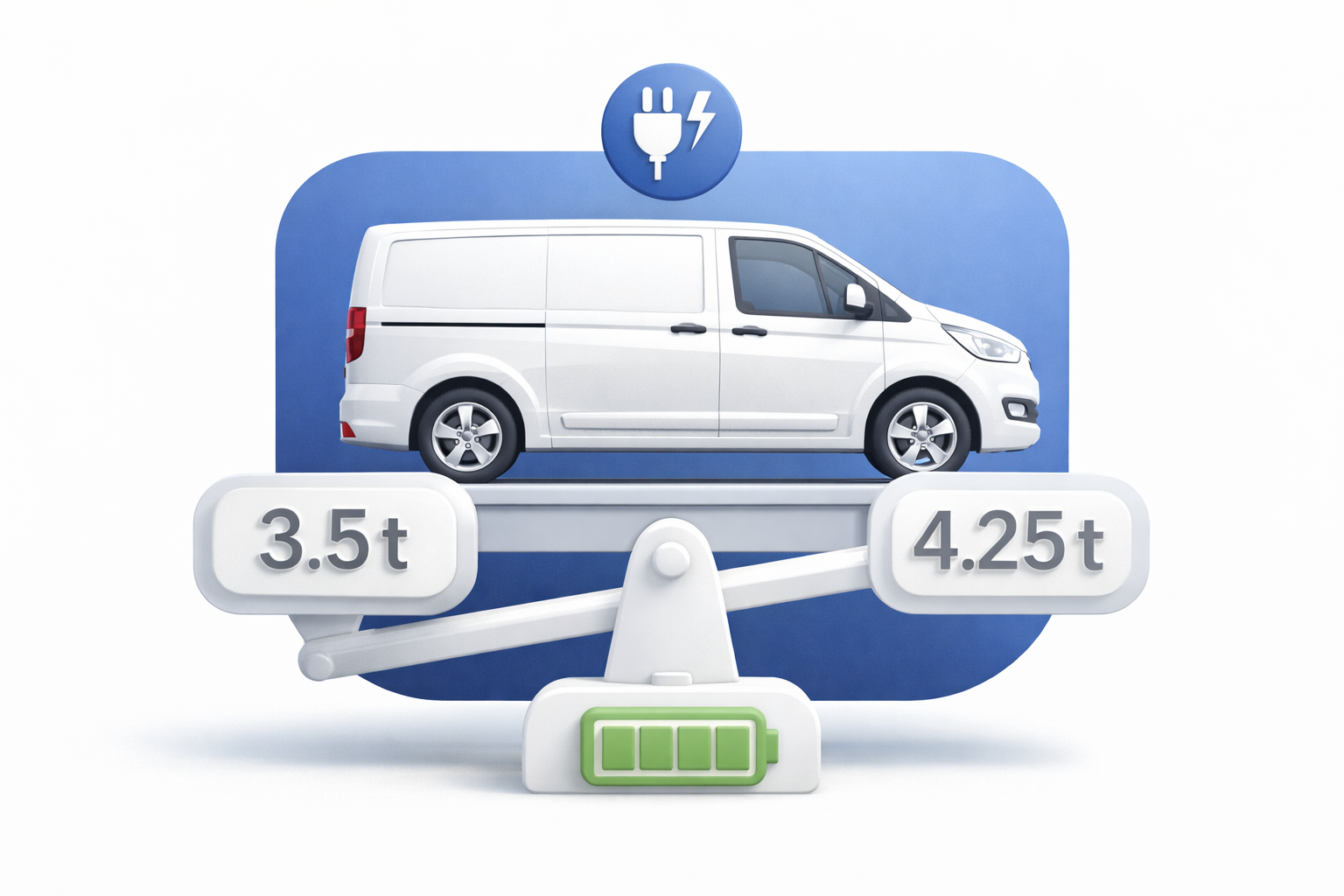
Electric vans often exceed the 3.5 tonne limit because of battery weight, so UK law now lets you drive an electric van up to 4.25 tonnes on a regular car licence. This supports low-emission van driving for business and delivery purposes.
Towing Rules for Van Drivers
You can tow a trailer with a van on a regular licence if the trailer is light, but for heavier van and trailer setups, you’ll need C1E or Category C licence. Always verify the gross vehicle weight before setting off.
How to Check Your Licence Entitlements
Step-by-Step:
- Flip your photocard – categories and expiry dates appear on the back.
- Visit gov.uk/view-driving-licence.
- Enter your licence number, NI number, and postcode.
- Review which licence categories you hold and what you’re allowed to drive.
- Contact the DVLA if anything looks incorrect.
This ensures you know exactly which vans you can drive and remain legally compliant.Common Vans You Can Drive on a Category B Licence
These examples show which vans you can drive with a car licence and when you’ll need to upgrade for heavier goods vehicles.
Driving Heavier Vans or Lorries (C1 and C Licences)
For a large van or goods vehicle, apply for a C1 licence (up to 7.5 t) or a Category C licence (over 7.5 t).
Application Process:
- Complete a medical (D4).
- Apply for a provisional C1/C entitlement.
- Pass a Driver CPC theory and practical driving test.
- Receive your new full licence allowing you to drive vehicles for business or transport.
Legal and Insurance Risks
Driving a van without the correct licence can invalidate your van insurance and create serious legal issues. Always ensure you’re legally allowed to drive vehicles within your licence categories.
Summary Chart: Who Can Drive What
How to Stay Compliant
Checklist Before You Drive a Van:
- Check the MAM plate for the weight of the van
- Confirm your licence category covers it
- If electric, confirm it’s a zero-emission van
- Verify your insurance covers cargo and business use
- Don’t exceed towing limits
This ensures your van driving licence is valid for every trip.
FAQs
Can I drive a van I hire?
Yes. Most hire vans weigh under 3.5 tonnes, so your regular Category B licence is sufficient.
Can I drive an electric van on a car licence?
Yes, up to 4.25 t MAM if it’s fully zero-emission.
What if I passed my test before 1997?
You likely already have C1 entitlement, which allows you to drive vans up to 7.5 tonnes.
Can I tow with a van?
Yes, you can tow a trailer up to 750 kg MAM, or heavier if the combined weight stays under 3.5 tonnes.
What’s the penalty for driving without the correct licence?
Fines up to £1,000, 3–6 points, and invalid insurance.
Conclusion
For most UK drivers:
- Category B licence = drive a van up to 3.5 t MAM (or 4.25 t for electric vans).
- Pre-1997 drivers = automatic C1 entitlement (up to 7.5 t).
- Heavier or towing vehicles require a C1, C, or B+E licence.
Always check your licence categories and the gross vehicle weight before driving. Knowing the correct licence you need to drive a van protects your van insurance, ensures you’re legally allowed to drive, and keeps your business compliant.
Check your entitlements today at gov.uk/view-driving-licence.
VanCompare Editorial Team
The VanCompare Editorial Team produces clear, practical insurance guides for UK tradesmen, couriers and small business owners. We work with FCA authorised insurance brokers and use insurer information where relevant to explain insurance topics in plain English and help drivers make informed decisions about cover.
Where relevant, our content is checked against publicly available UK guidance and information from sources such as the FCA and GOV.UK to help keep it accurate and up to date.
This content is for general information only and is not financial advice.