Cheap Van Breakdown Cover: How to Choose the Right Breakdown Cover for Your Van and Save Money
Cheap van breakdown cover is not about buying the smallest policy on the screen. This guide explains what breakdown cover usually includes, which extras are worth paying for, and how to choose the right level of protection for your van.
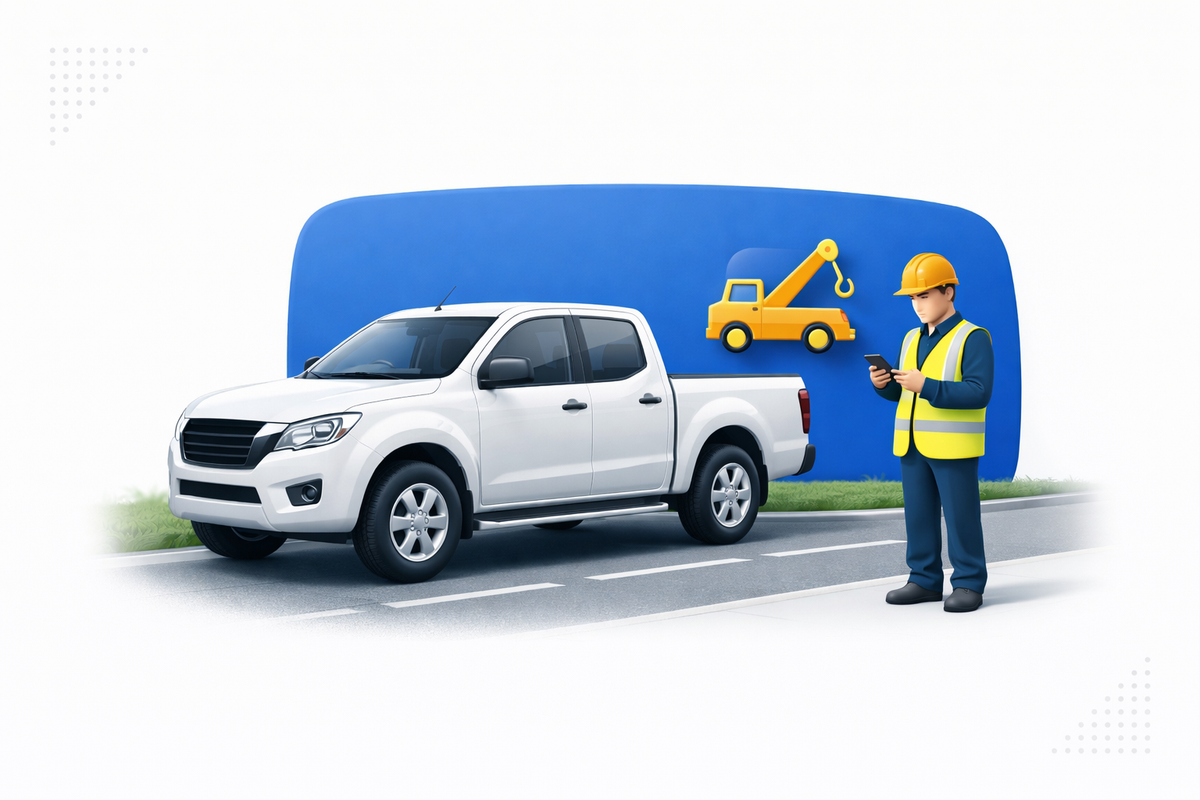
Every van driver in the UK knows the worry of a sudden breakdown on the way to a job. Whether you rely on your van for deliveries, trade work, or moving tools between sites, a breakdown can cost more than a repair bill. It can also cost you time, missed work, and lost income.
That is why van breakdown cover matters. The right policy can help you get moving again quickly, but the wrong one can leave you paying for features you do not need or missing the cover that actually matters when your van stops.
This guide explains what van breakdown cover usually includes, how to choose the right level of cover, and where van owners can often save money.

Why van breakdown cover matters
A breakdown does not have to be dramatic to become expensive. A flat battery, puncture, electrical fault or starter problem can still mean:
- missed appointments
- delayed jobs
- recovery fees
- lost work time
- extra travel costs
For many van owners, the van is not only a vehicle. It is how the day’s work happens. That is especially true for tradesmen, couriers, and small firms running one or two vans.
Breakdown cover helps by giving you access to roadside help and, if needed, recovery to a garage or another destination. Without it, even a simple call-out can cost more than expected.
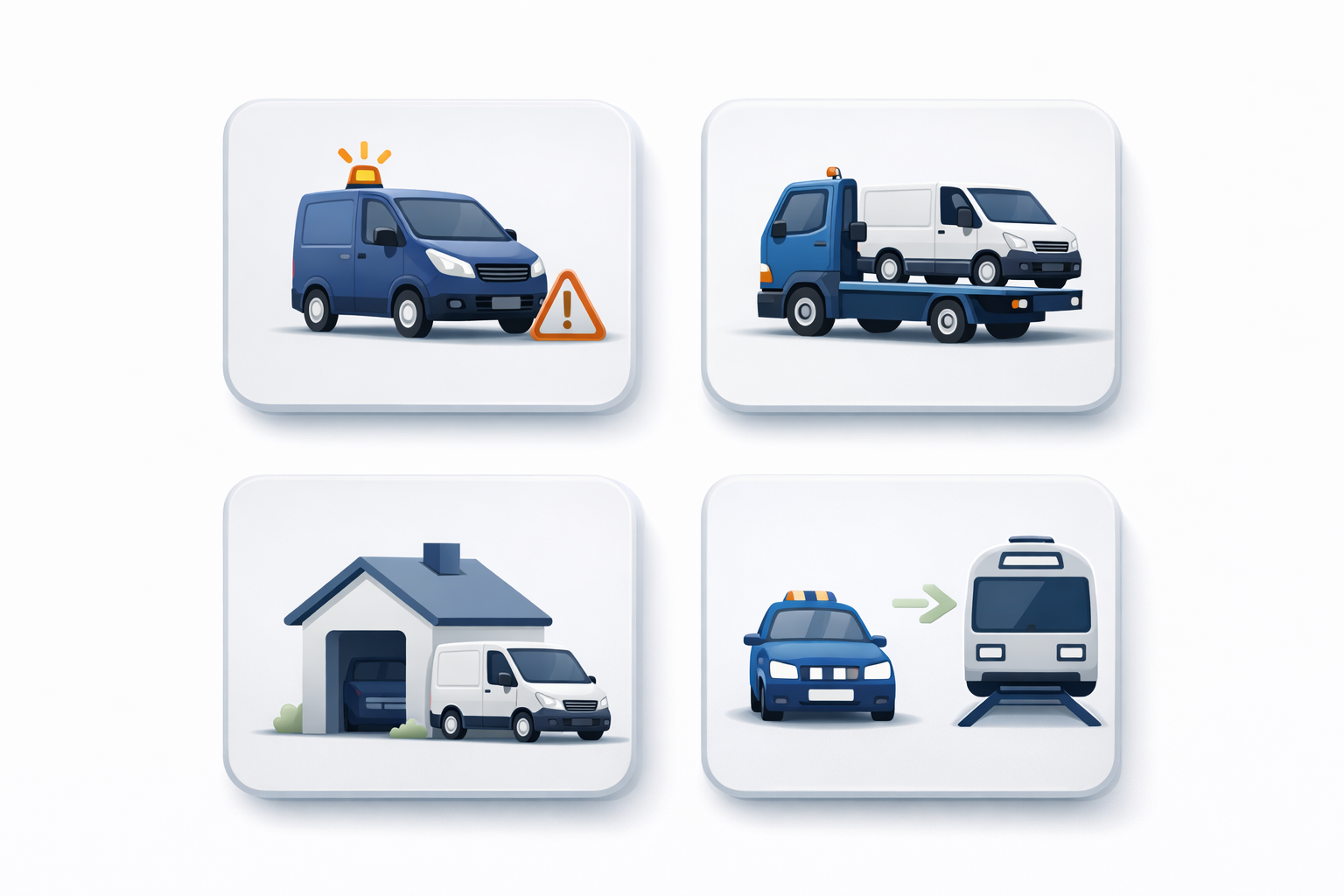
What van breakdown cover usually includes
Breakdown cover is not one single thing. The level of help depends on the policy.
Most van breakdown cover options are built around a few common parts.
Roadside assistance
This is the basic level. If your van breaks down while you are out, a patrol or recovery partner comes to try to fix it at the roadside.
This can help with things like:
- flat batteries
- minor electrical issues
- punctures
- small faults that can be repaired on the spot
Recovery
If the van cannot be fixed there and then, recovery cover helps move it to a garage or another agreed destination.
For van drivers, this is often one of the most important parts of the policy. Roadside help is useful, but recovery is what saves you from being stranded when the problem is more serious.
Home start
Home start covers breakdowns at or near home. This is useful if the van will not start on the drive or outside your house before work.
A lot of people assume roadside cover includes this automatically. It often does not, so it is worth checking.
Onward travel
Some policies help with the next step after a breakdown, such as:
- transport to your destination
- overnight accommodation
- a replacement vehicle
- help getting passengers home
This is more useful for some drivers than others. If you rely on your van for customer visits or scheduled jobs, onward travel may be worth paying for. If most of your work is local and you have other ways to get around, you may not need it.
European breakdown cover
If you drive abroad for work or longer trips, some policies can extend to breakdowns in Europe. If you stay in the UK, this is usually an unnecessary extra.
The main levels of van breakdown cover
Choosing the right level of cover starts with being honest about how the van is used.
Basic cover
Usually includes roadside assistance only.
This can be enough if:
- you mainly drive locally
- the van is newer and reliable
- you are trying to keep costs down
- you could arrange your own recovery if needed
Standard cover
Usually includes roadside help plus recovery.
This is often the sweet spot for many van owners because it gives you practical protection without too many extras.
Comprehensive cover
Usually adds home start and onward travel to roadside and recovery.
This level may suit drivers who:
- do longer journeys
- work to tight schedules
- cannot afford to be left without options after a breakdown
European cover
This is only worth considering if you actually travel outside the UK. For most local trade vans, it is not needed.
Vehicle breakdown cover or personal breakdown cover?
This is one of the easiest areas to overbuy.
Vehicle breakdown cover
This protects the van itself, whoever is driving it.
This is often the better fit if:
- you mainly drive one van
- that van is the one you depend on for work
- different named drivers may use the same vehicle
Personal breakdown cover
This protects you as a driver, no matter which eligible vehicle you are in.
This may suit you better if:
- you drive several vehicles
- you regularly switch between vans or cars
- you want the flexibility of being covered as a person rather than just for one vehicle
If you only have one main van, vehicle-based cover is often the simpler and cheaper choice.
Common van breakdown causes
A lot of breakdowns come from a fairly short list of problems:
- battery failure
- tyre damage
- starter motor or alternator issues
- electrical faults
- fuel problems
- missed servicing or wear and tear
Good maintenance reduces the risk, but it does not remove it. A well-kept van can still break down, especially if it is heavily used or always on the road.
That is why breakdown cover should be seen as back-up, not a substitute for servicing.
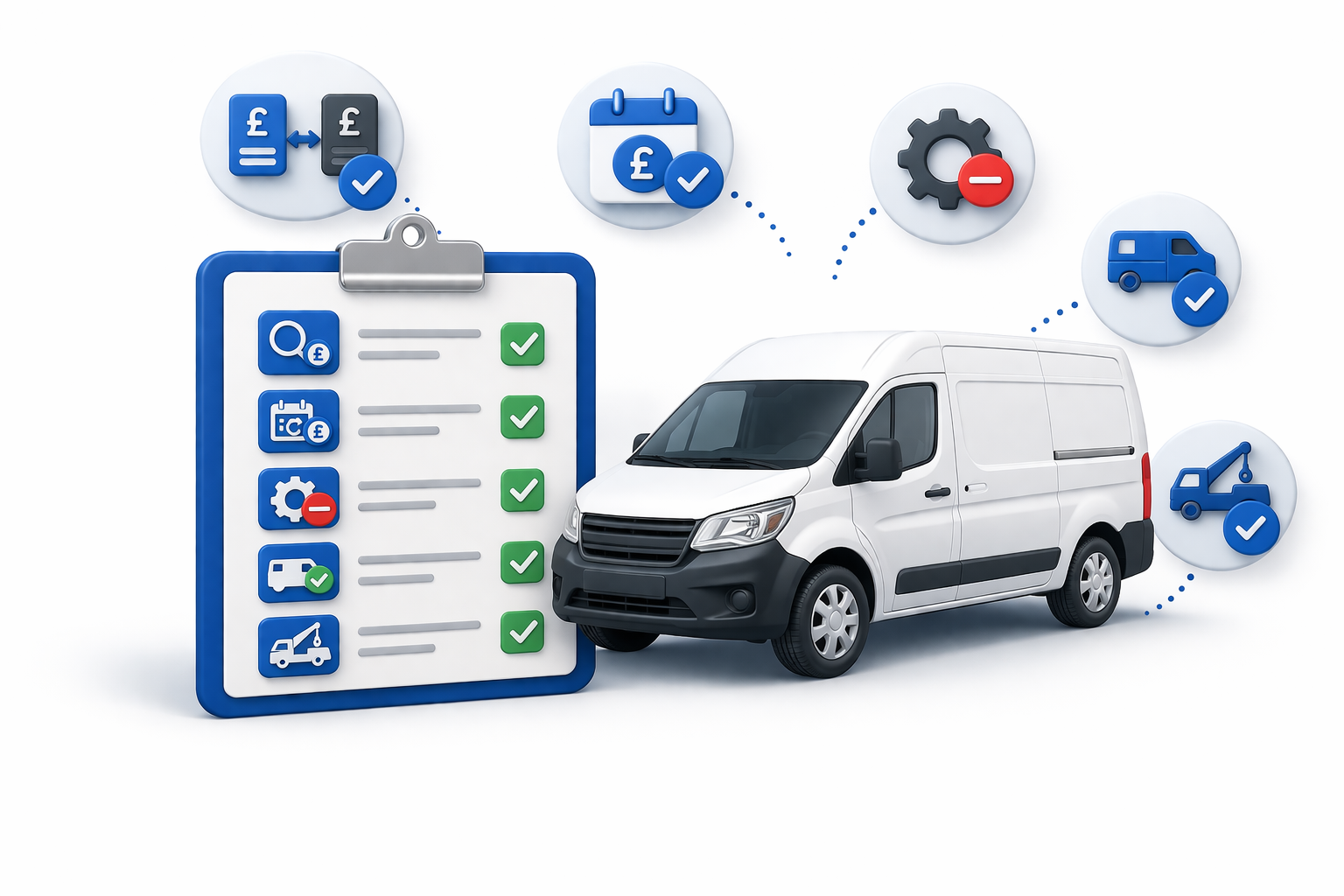
How to compare cheap van breakdown cover properly
If you want cheap van breakdown cover, price matters, but it should not be the only thing you compare.
Look at:
- whether roadside assistance is included
- whether recovery is included
- whether home start is included
- whether the policy covers business use
- whether there are limits on call-outs
- whether onward travel or replacement vehicle help is included
- whether there are restrictions based on van size or type
The cheapest policy is not always the best value. A low price with no recovery can become expensive very quickly if your van cannot be fixed at the roadside.
Do you need business breakdown cover?
If the van is used for work, this is the first thing to check.
Some breakdown policies are built around private use. Others are more suitable for work vans and commercial use. If you rely on the van for jobs, deliveries, tools or travel between sites, make sure the policy does not quietly exclude the way you actually use it.
This is the same basic rule as with insurance generally: a cheaper price is no use if the cover does not match real life. You can learn more about the different classes of use here.
How to get a breakdown quote that fits your needs
When comparing breakdown cover, you will usually need to give details such as:
- make and model of van
- how the van is used
- whether it is for business or personal use
- mileage
- where it is kept
- whether you want vehicle or personal cover
The clearer and more accurate you are, the easier it is to choose the right level of cover without paying for extras that do not matter to you.
How to save money on van breakdown cover
Cheap cover should not mean useless cover. The aim is to cut waste, not cut the parts that matter.
A few practical ways to save:
Choose the right level, not the biggest package
If you never drive abroad, do not pay for European cover. If you do not need onward travel, keep it simple.
Think hard about home start
Home start is useful, but not everyone needs it. If you could cope without it, removing it may reduce the price.
Compare before you buy
Do not take the first option you see. Compare the different levels and check the small print around recovery and business use.
Pay annually if the option is there
As with many policies, paying in one go can work out cheaper overall than spreading the cost.
Keep the van maintained
You cannot price away a badly maintained van. Good servicing, battery care and tyre checks help lower the chance you will need to use the policy in the first place.
What to check before you buy
Before buying breakdown cover, ask:
- Does it cover my type of van?
- Does it cover the van for business use?
- Is recovery included?
- Is home start included or extra?
- Are there limits on call-outs?
- Would roadside-only cover be enough for how I use the van?
Those questions usually matter more than brand names or marketing language.
Van breakdown cover and van insurance are not the same thing
Breakdown cover and van insurance do different jobs.
Van insurance helps protect you financially if there is an accident, theft, fire or insured claim. Breakdown cover helps when the van stops working and needs roadside help or recovery.
Some drivers assume breakdown help is automatically included in their van insurance. Sometimes it is offered as an optional extra, but often it is separate. That is why it is worth checking both.
FAQs
What does van breakdown cover usually include?
Van breakdown cover usually includes roadside assistance, and depending on the level of cover, may also include recovery, home start, onward travel and European cover.
Is roadside assistance enough for a work van?
Sometimes, but not always. If your van cannot be fixed at the roadside, recovery is often the part that matters most, especially if you rely on the van for work.
Do I need business breakdown cover for my van?
If the van is used for work, you should check that the policy is suitable for business or commercial use. A cheaper policy may not be a good fit if it does not match how the van is actually used.
Is personal breakdown cover better than vehicle breakdown cover?
It depends. Vehicle cover protects the van itself, whoever is driving it. Personal cover protects you in whichever eligible vehicle you are using. If you mainly drive one van, vehicle cover is often enough.
How can I save money on van breakdown cover?
You can often save money by choosing the right level of cover, stripping out extras you do not need, comparing policies properly, and paying annually where possible.
How VanCompare can help
VanCompare helps drivers compare cover that fits the way their vans are actually used.
If you are looking at van breakdown cover, the same basic rule still applies: choose cover that matches the real job the van does. A self-employed tradesman doing local jobs may not need the same breakdown package as a business van doing long-distance work every day.
The aim is not just to buy the cheapest option. It is to buy cover that gives you enough help when it counts, without loading in extras you will probably never use.
Next steps
If you want to keep the cost of breakdown cover under control:
- decide whether you need roadside only, recovery, or a fuller package
- check whether the policy is suitable for business use
- strip out extras you do not really need
- compare the detail, not just the price
- make sure your van insurance and breakdown cover work together properly
If you are ready to compare your wider van cover options, start here:
VanCompare Editorial Team
The VanCompare Editorial Team produces clear, practical insurance guides for UK tradesmen, couriers and small business owners. We work with FCA authorised insurance brokers and use insurer information where relevant to explain insurance topics in plain English and help drivers make informed decisions about cover.
Where relevant, our content is checked against publicly available UK guidance and information from sources such as the FCA and GOV.UK to help keep it accurate and up to date.
This content is for general information only and is not financial advice.