Tool Theft in the UK: Why Vans Are Being Targeted and How to Protect Your Livelihood
Tool theft from vans is still one of the most damaging risks for UK tradesmen. Here’s why vans are being targeted, what’s usually covered (and not covered), and how to protect your livelihood in 2025.
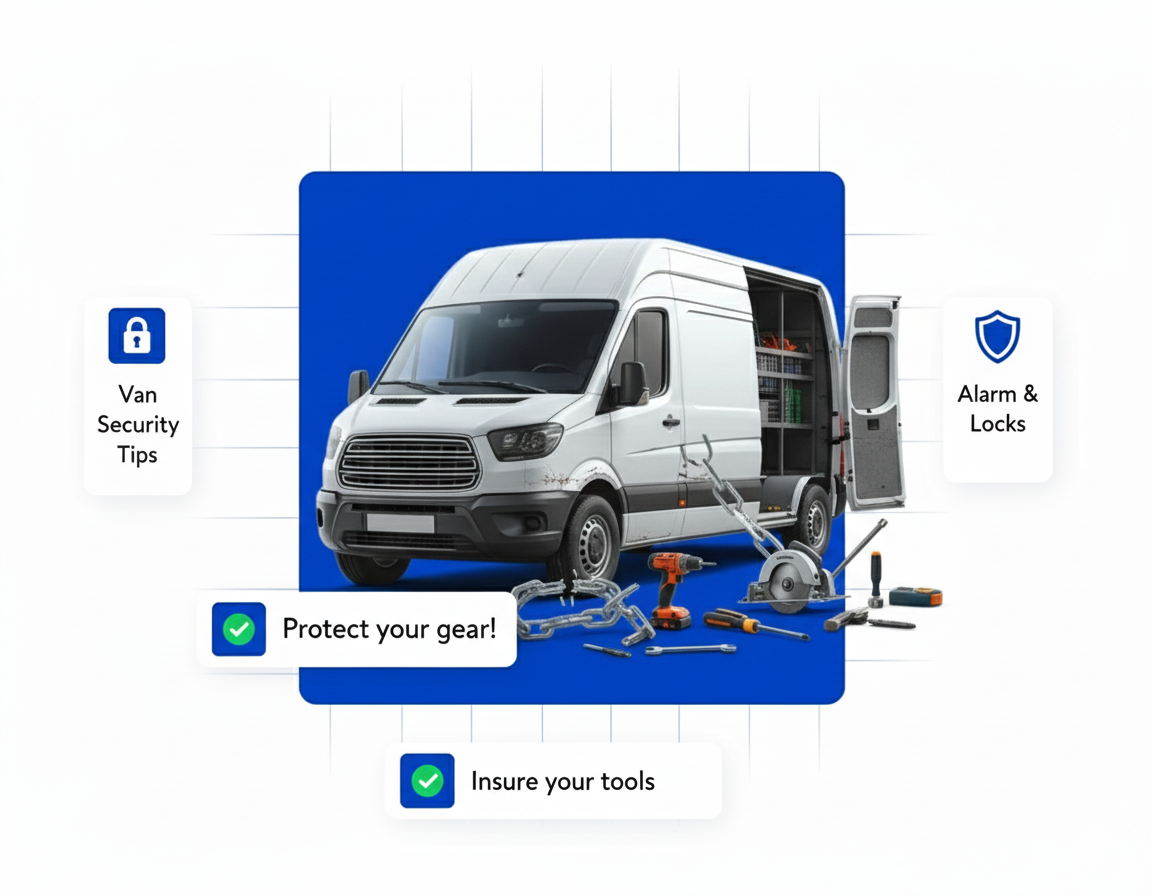
Tool theft from vans is still one of the most damaging risks to UK tradesmen. It’s fast. It’s organised. And it’s not just about “losing a drill.”
For builders, electricians, plumbers, installers, delivery drivers and other van-dependent trades, one break-in can mean: no tools for tomorrow’s job, missed income, and a fight to get paid out.
This guide explains:
- why vans are being targeted,
- how insurers actually look at tool theft,
- what’s usually covered (and not covered),
- and how to protect yourself before and after a theft.
This is written for working drivers, not insurers.
Why tool theft is such a big problem
Thieves target vans because:
- Tools are easy to move and resell.
- The job is quick: peeling a van door, punching a lock or forcing a side panel can take seconds.
- Signwritten vans basically advertise “there’s kit in here.”
The direct hit is painful enough — it’s common to lose thousands of pounds worth of cordless gear, testers, measuring kit, saws, specialist tooling, etc., in one theft.
But the bigger hit is downtime:
- You can’t do the job you’ve already promised.
- You may have to ring a customer at 7am and say “I can’t make it.”
- You may need to borrow a mate’s van or tools just to keep trading.
That lost trust with the customer is sometimes worse than the financial loss.

The insurance problem nobody tells you about
A lot of van drivers assume “my van insurance covers my tools.”
Very often, it doesn’t.
There are normally three separate pieces to think about:
- Van insurance (the vehicle itself)
This is what keeps you road legal. It covers the van. It usually does not automatically cover what’s inside the van.
- Goods in Transit insurance (GIT)
This protects goods you’re carrying for work — typically items you’re delivering, customer property you’re transporting, parcels, stock, etc. It’s essential for couriers and delivery drivers.
Example: a package you’re paid to carry gets stolen from the van. GIT is the cover that responds.
- Tools Cover / Equipment Cover
This is what protects your own tools: drills, saws, meters, testing kit, specialist kit you need to work.
This is usually either an add-on or a separate policy built for trades.
Without it, a stolen tool bag is often on you.
Most anger in tool theft claims comes from that last point:
People think “the van’s insured,” so “everything in the van is insured,” and that’s just not guaranteed.
How tool cover usually works (in plain English)
Tool/theft cover in the UK market typically includes:
Cover while tools are in the van
Tools are protected against theft or damage while they’re in the vehicle, including loading/unloading, as long as security conditions are met.
Evidence requirements
Insurers almost always want proof of forced entry. Scratched handle and “the door must have been left open?” — usually declined. Proper forced entry (peeled door, smashed lock, window damage, etc.) — usually acceptable.
Business use only
These policies are designed for working kit, not personal items. Laptops, phones, jewellery, cash etc. are often excluded.
Age and value limits
Payouts are based on market value, not “brand new like-for-like.”
That means depreciation is applied to older kit instead of giving you brand new replacements. For example, tools that are five years old won’t be treated as brand new, and the payout can be reduced the older they are.
Total limit and claim limits
You normally choose (or are given) a maximum total sum insured, e.g. £1,000 / £2,500 / £5,000 / £10,000.
Some policies cap how many times you can claim in one policy year.
Excess
There will be an excess (the part you pay). Excess can scale up as the total insured value goes up.
What that means in real terms:
If you carry £4,000 worth of kit every day but you’ve only got £1,000 of tools cover, you are underinsured and you’ll eat the difference.
The overnight trap (read this twice)
This is where most tradesmen get caught out.
Many tool policies only cover theft from a van overnight if strict conditions are met, such as:
- The van was locked, with keys removed.
- Tools were stored in a locked internal compartment or lock box, not just loose in the back.
- The van was behind a locked gate, in a locked garage, or on a private drive between certain hours (often roughly 10pm–6am).
- You can prove “forcible and violent entry” (damaged locks, forced doors, smashed panels).
If the van was on the street overnight, unattended, or left in a public car park with tools visible — a lot of policies will not pay out.
Insurers see “tools left in van overnight on the street” as high-risk behaviour. If you say at quote stage, “I never leave tools in my van overnight,” and then you actually do… that can void the claim for non-disclosure.
That’s not small print. That’s normal across the market.
How to protect yourself (before anything happens)
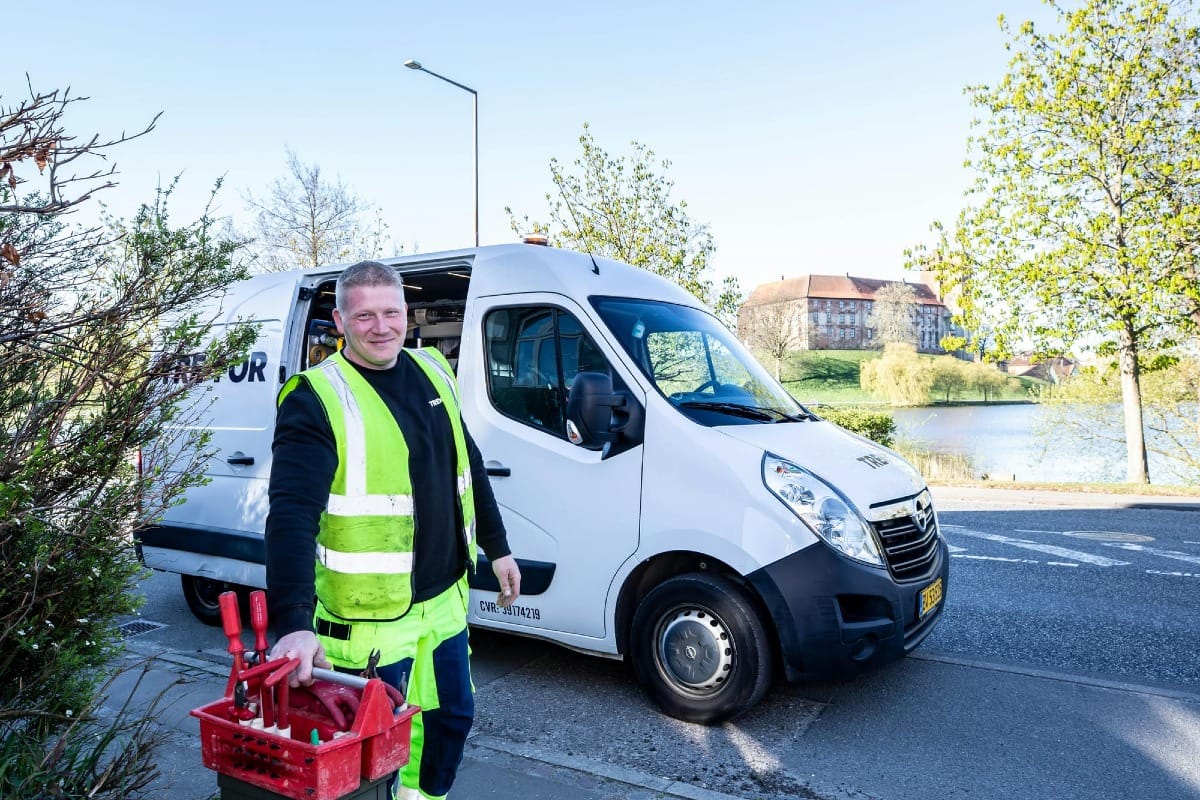
These are the things that make a difference both to stopping theft, and to getting paid if it does happen:
- Don’t assume you’re covered
Check: do you have Tools Cover, Goods in Transit, both, or neither?
Your van insurance alone is not the full story.
- Don’t leave tools in the van overnight if your wording says not to
If your policy says “only covered overnight if stored in a locked building/private drive,” believe it. If you ignore that, you’re gambling with your own money.
- Upgrade your van security
Deadlocks, slamlocks, internal lock boxes and cages are all viewed positively by insurers. They also physically slow thieves down, which buys you time.
- Park smart
When possible: back the doors against a wall, keep the van in lit areas, use CCTV, keep it in sight of a residence. If you can lock it behind a gate, do it.
- Record everything
Keep receipts/emails for tools. Photograph serial numbers and keep a simple list on your phone. After a theft, insurers will ask you to prove you actually owned what you’re claiming for.
- Report immediately
If you are hit, call the police and get a crime reference number straight away. Insurers will ask for that reference, and delays can make you look suspicious even if you’re the victim.
Red flags to look for in your policy wording
Before you renew or buy a new policy, watch out for:
- “No overnight cover unless in a locked building.”
- Very low single-claim limits (for example, “Max £1,000” when you know you carry £3,500+ in kit).
- Wording that excludes “theft from an unattended vehicle.”
Translation: if you leave the van to grab lunch, and someone peels the door, you might not be covered.
If any of those apply to you in real life, that’s not “fine, I’ll risk it.” That’s you deciding you’ll self-fund the loss.
Where this lands for working drivers
This is the honest position:
- Tool theft is not going away.
- Vans are still easy, high-value targets.
- Most “standard van insurance” does not automatically protect tools.
Protecting yourself is not only about physical security. It’s about getting the right cover type, telling the truth about how you store and use your van, and knowing what happens if something gets taken.
Losing your tools is not just losing kit. It’s losing tomorrow’s job.
Bottom line for tradesmen, couriers and small-business owners
If you rely on your van to make a living:
- Treat tools cover, Goods in Transit, and proper disclosure as part of staying in business — not optional extras.
- Read the overnight storage rules.
- Do not assume you’re covered just because you “have insurance.”
One break-in can cost you thousands, stop you working and damage your reputation with a customer. Protecting the van is good. Protecting the tools in it is how you keep trading.
Source / basis of guidance
This article is based on live UK policy wording trends for tools cover, Goods in Transit cover and van security requirements typically applied by specialist commercial motor insurers and courier/tradesman schemes (reviewed October 2025).
It reflects common conditions seen in the UK market, including evidence of forced entry, overnight storage restrictions, depreciation on tool value, and claim/limit caps.
VanCompare Editorial Team
The VanCompare Editorial Team produces clear, practical insurance guides written for UK tradesmen, couriers, and small business owners. We work with FCA regulated insurance brokers and providers to translate complex insurance topics into plain English, helping drivers make informed decisions about their cover.
Our content is fact-checked against official UK sources ensuring accuracy and regulatory alignment.